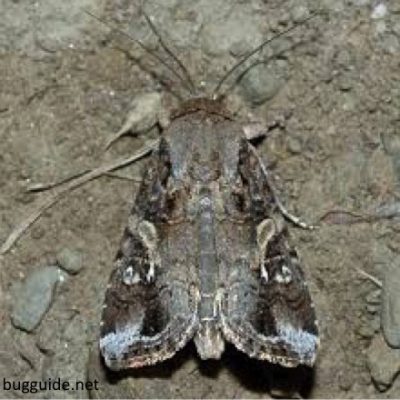
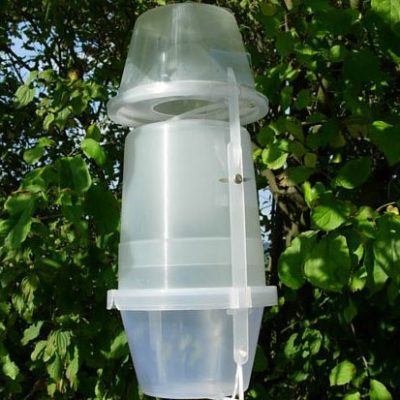
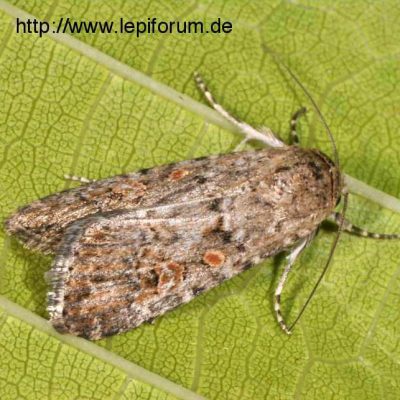
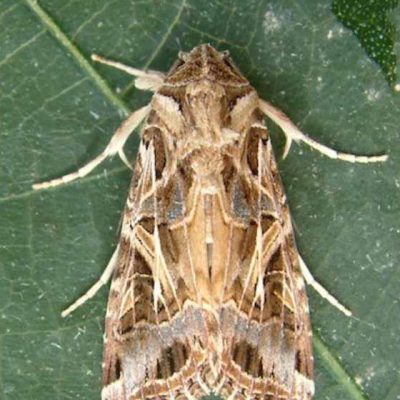
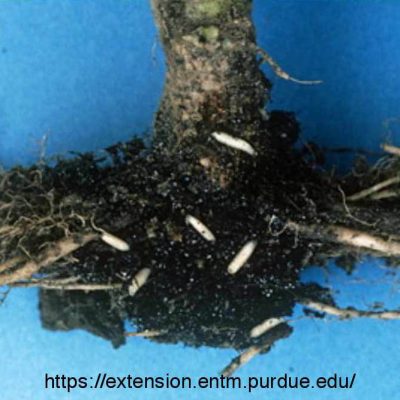
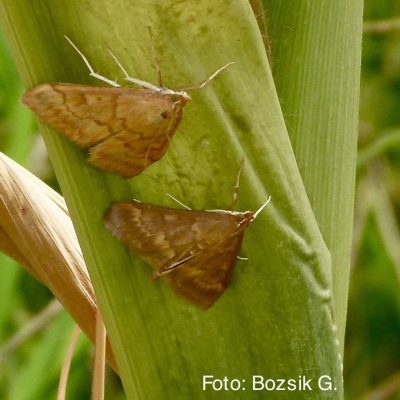
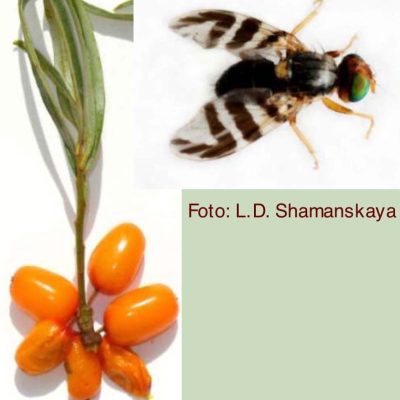
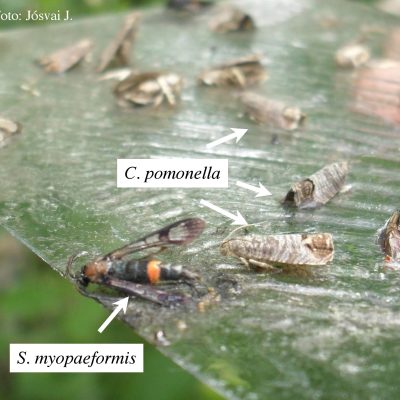
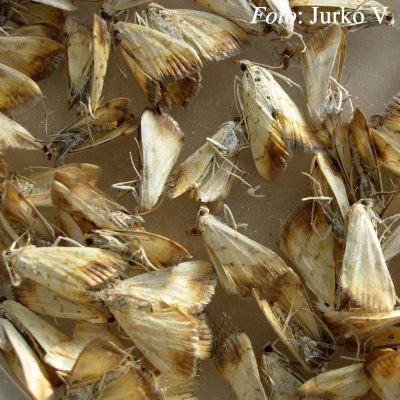
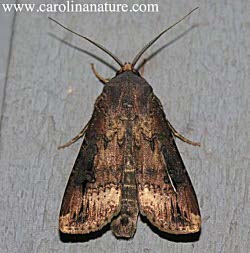
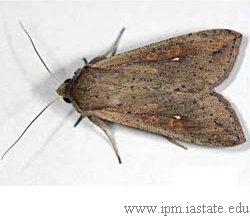
The species was originally present in the Americas, but recently it was introduced into Africa and later to Asia including India and China. It is also present in Australia. At present in Europe it has established populations only in Spain (Canary Islands). S. frugiperda is on the A2 list of EPPO. Recommended trap type: VARL+. (Available from 2022).
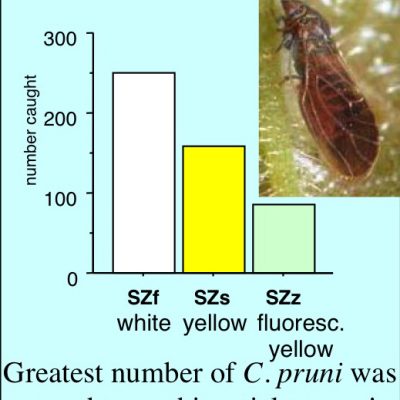
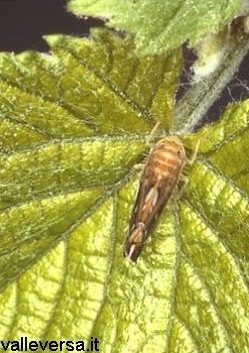
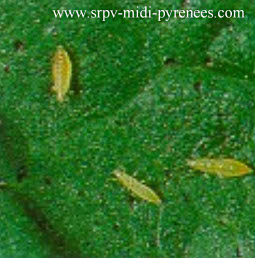
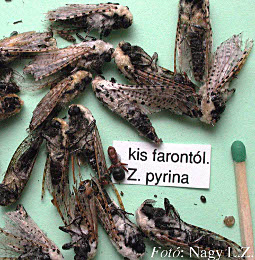
It is a vector of the phytoplasm of the disease European Stone Fruit Yellows (ESFY). All over Europe the importance of ESFY is growing, especially in apricots. Recommended trap type: SZf/10 (Available from 2021).
Data from Bodnár D., et al.: Colour preference of Cacopsylla pruni ((Hemiptera, Psyllidae): in an apricot orchard is more attracted to white sticky traps dependent on host phenology. doi: 10.3897/BDJ.10.e93612 Biodiversity Data Journal 10:e93612.
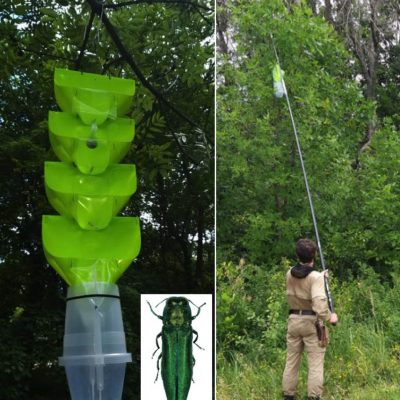
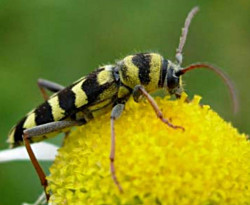
including the emerald ash borer – Agrilus planipennis. Each species typically has a narrow host range i.e. oak species, linden species, or ash species. Larvae develop in living plant tissues, in the bark, phloem or xylem of trees or shrubs, and they destroy the vascular tissue, which results in decaying branch portions and eventually all the tree can die off. Recommended trap type: MULTz (the trap can be used without chemical lure added!) (Available from 2021).
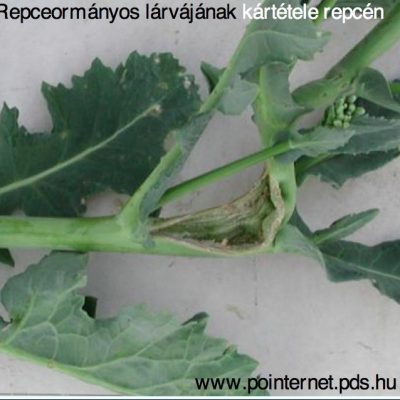
An important pest of rape and related crucifers occuring all over Europe. The lure of the trap is not a pheromone, rather it is a feeding attractant, thus is attracts both males and females. Recommended trap type: RAG (Available from 2021).
Trap with a combined lure of floral plus pheromone components, catching both females and males. (Before 2020 it was necessary to put two separate lures into the same trap, by now we developed a single dispenser lure! Recommended trap type: VARb3 (Available from 2020).
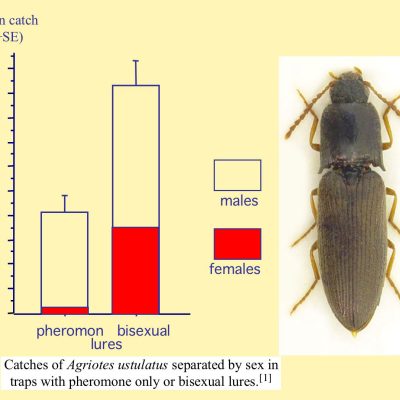
[1] Tóth, M. és mtsi, J. Chem. Ecol. 45:667-672, 2019.
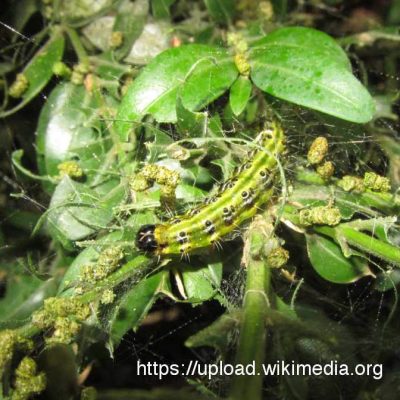
The highly invasive moth damages exlusively the ornamental Buxus spp. Its original occurrence area was Eastern Asia. It appeared in Europe in 2000, and by 2016 it spread to the east to the Ukraine and the Black Sea. Recommended trap type: VARL. (Available from 2017).
This noctuid is a world-wide pest, it occurs in Eurasia, America, Africa and some parts of Australia. Its wide host range includes asparagus, beans and peas, sugar and table beets, celery, cole crops, lettuce, potato, tomato, cotton, cereals, oilseeds, tobacco, ornamentals, etc. Recommended trap type: VARL+. (Available from 2017).
The species is widespread in the Middle East and Africa, in Europe it occurs in some southern countries. It is highly polyphagous, damages many cultures. Recommended trap type: VARL+. (Available from 2017).
A world-wide inportan pest of cabbage relatives and other crucifers. The lure in the trap is NOT a pheromone, rather a feeding attractant, threfore it attracts both females and males. Recommended trap type: KLP+. (Available from 2017).
The bait in the CSALOMON® corn borer “BISEX” trap is NOT a pheromone, rather a feeding attractant, therefore the trap catches both females and males. Recommended trap type: VARL+. (Available from 2016).
The pest originally widespread in Siberia and Russia caused recently severe damages in sea buckthorn plantations in several countries in North Europe. Its spread to hitherto uninfested countrieis in Europe can be excected. Recommended trap type: PALz. (Available from 2016).
The bait of the “BISEX” trap is NOT a pheromone, rather a synthetic FOOD ATTRACTANT. Therefore the trap catches both FEMALES and males. It can be reccommended for use first of all in orchards with air permeation (=mating disruption) with pheromone, where pheromone-baited traps do not work. Recommended trap type: RAG. (Available from 2015).
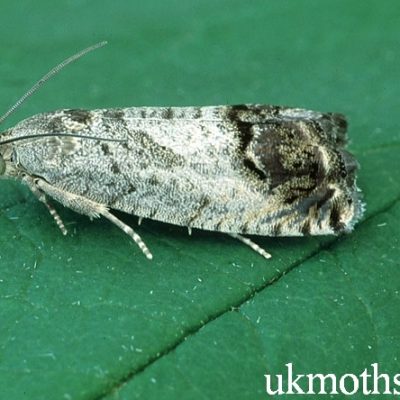
Hübn. (= C. triangulella Goeze) (Lepidoptera, Tortricidae). This moth is among the most important acorn pests of chestnut all over Europe. Recommended trap type: RAG. [Available from 2014].
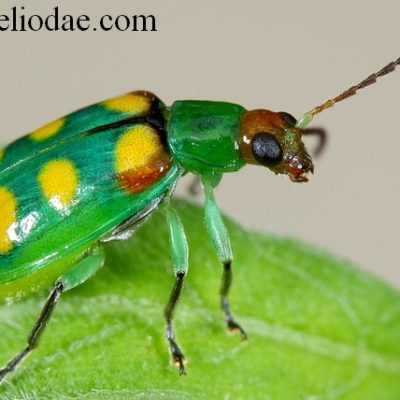
The principal host plant is maize. It causes damage similar to the western corn rootworm (Diabrotica v. virgifera). The northern cornrootworm has not been detected in Europe, but its introduction cannot be excluded. We supply the trap with a dual (pheromone AND floral) lure, so it catches both males and females. Recommended trap type: KLP+. [Available from 2014].
In South America it damages apart from maize also soybeans, potato, etc. The San Antonio beetle has not been detected in Europe, but its introduction cannot be excluded. We supply the trap with a floral lure, so it catches both males and females. Recommended trap type: KLP+. [Available from 2014].
It is an important pest of coffee in South America and Madagascar. It is not present in Europe and its introduction cannot be anticipated. Recommended trap type: RAG. [Available from 2014].
for KLP+, VARs+ (and other traps with „+“ sign in their codes). Our trap designs KLP+ and VARs+ work only if insects getting into them are killed off by an insecticide. We offer the cylindric sticky inserts to users for whom the use of an insecticide is inconvenient for some reason. Replacement sticky inserts are also available. Recommended trap type: KLP+, VARs+, VARb3z+, etc. [Available from 2014].
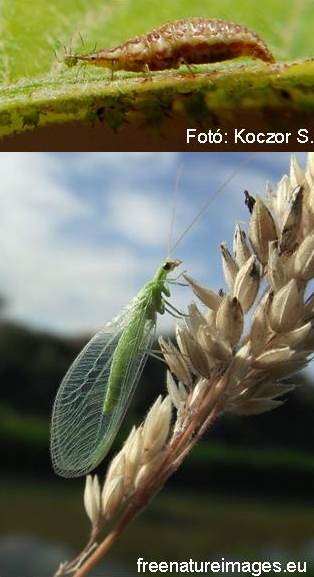
This new innovative product is recommended for use by biological or organic growers. By using it you can concentrate eggs laid by naturally occurring lacewings in the garden or orchard to the plants you choose. The synthetic lure attracts Chrysoperla lacewings to the device and since the surface texture of the inner surface enhances egglaying, they will lay their eggs there. The large number of lacewing larvae hatching from the eggs will hunt for aphids and other pests on the given plant and in its close vicinity. One can also place the synthetic lure on overwintering boxes: in boxes with lure 2-3 times more lacewings will overwinter, resulting in higher lacewing population densities around the overwintering boxes next spring. Product code: CHRegg [Available from 2013].
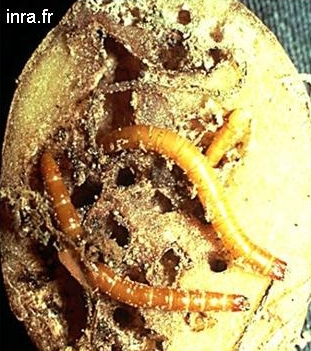
(Coleoptera, Elaeridae). It can be applied before sowing. Based on the number of wireworms caught one can estimate population density, and can decide on the necessity of the application of soil insecticides or other measures. The use of this trap is recommended on areas where large numbers of adult click beetles were caught in pheromone traps the previous years. The trap – apart from the most abundant Agriotes spp. – also catches other phytophagous wireworms, so these can also be monitored if the need arises. Recommended trap type: WW/10 [Available from 2013].
This dangerous fruit pest (small fruits, peaches, grapes, etc.) originates from southeastern Asia, but has been introduced into Europe in 2008 (Spain), and is spreading ever since (until 2012 has been reported from France, Italy, Slovenia, Germany). Our VARL funnel trap (modified by the addition of a screen at the funnel part – thus larger insects are „screened out“ from the catch) proved to be very efficient for the capture of this small insect. The user shall pour a natural attractant and killing solution into the catch container of the trap. Best composition of the solution is: 150 ml red wine (with 10-14% ethanol content – for example Merlot type wines proved to be very good) + 150 ml apple vinegar (with 4-6% acetic acid content) (other natural vinegars can also be used) + some drops of household detergent. Recommended trap type: VARL [Available from 2013].
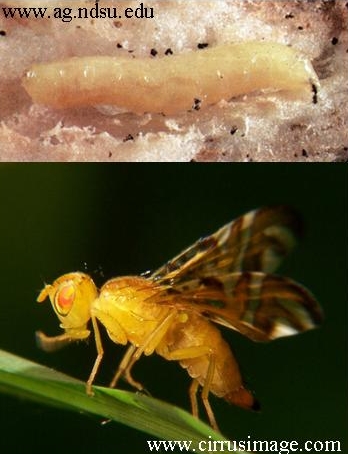
The maggot damages the flower receptacles of sunflowers and related plants. The species originates from North America. It is an invasive species which recently appeared in Europe. Its eventual spread towards Central and South Europe can be expected. Our synthetic food attractant lure originally developed for the cherry fruit fly (Rhagoletis cerasi) also works well with this related fly species. Recommended trap type: PALz. [Available from 2013].
This grapevine pest originates from North America, and is continuously spreading in Europe. Its main importance is not due to the direct feeding damage, but the fact that this species is the vector of the disease Grapevine flavescence dorée (Ca. Phytoplasma vitis). The disease damages the leaves and the fruits as well, and is an important quarantine pathogen. The American grapevine leafhopper can be monitored by using yellow sticky sheets (SZs), and greenish yellow sticky sheets (SZz) can also be used with similiar efficiency. With the latter the monitoring of the European grapvine thrips (Drepanotrips reuteri Uzel) can also be performed. Recommended trap types: SZs, SZz.
They damage rape, cabbage and related crucifers. Our non-sticky “hat” trap attracts all three weevils, and can be used for several years. Suggested application: to detect early occurrence of overwintering weevils at the overwintering site. Recommended trap type: KLP+ [Available from 2012].
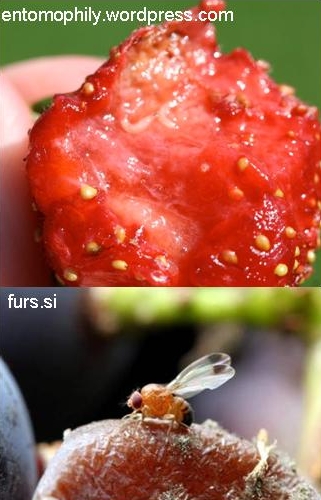
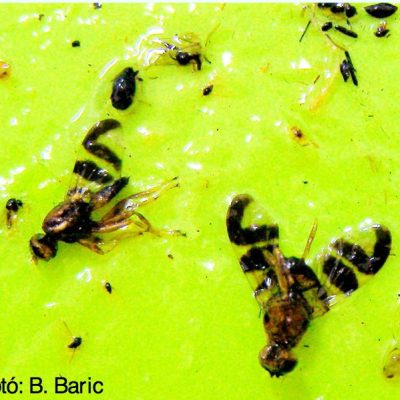
It damages walnut crops. This species is native to North America and has been spreading in Europe in recent years. It is already present in Slovenia, Croatia, and other nearby countries, and its appearance in Hungary is also expected. The synthetic lure and trap that we previously developed for the European cherry fruit fly (Rhagoletis cerasi) also effectively captures this species.
Recommended trap type: PALz Available to order: since 2012
The species damages grapes and orchard trees by feeding on the foliage. It prefers sandy areas. Regular damages were reported from the Balkans, especially Serbia. Last outbreak took place in Hungary in 2010. Morphologically very similar to A. vitis, but smaller. The pheromone bait is highly specific, it DOES NOT attract A. vitis or A. dubia. Recommended trap type: VARb3 The trap is suitable for mass trapping [Available from 2011].
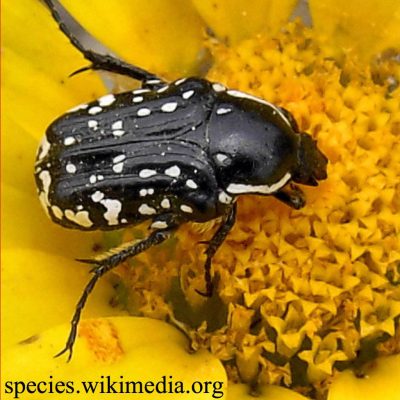
Morphologically similar to Oxythyrea funesta but smaller, it is a middle-east species. Causes regular damages by feeding on blossoms and ripening fruit in Turkey, Syria, Iran and neighbouring countries. Recommended trap type: VARb3z The trap is suitable for mass trapping. This same trap is equally effective for the related O. funesta [Available from 2011].
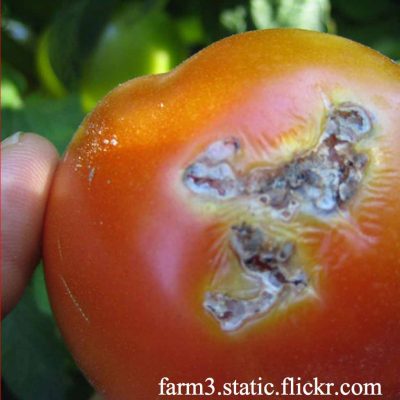
The pest originates from South America. In recent years it was detected in several European countries as well. The species is an important pest of tomato (both field grown and glasshouse produced). Recommended trap type: RAG [Available from 2010, in cooperation with PheroNet (Sweden)].
It is a pest of rape and related crucifers, mainly damaging the seeds. Its importance is greater in Eastern European countries. Recommended trap type: VARL+ [Available from 2010].
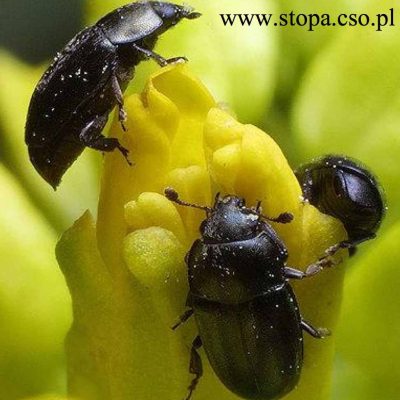
A pest of rapeand related crucifers. Main damage is caused by the adult beetles. Ournon-sticky funnel trap (which can be used during several seasons) combinesoptimal visual and chemical attractant stimuli for the beetle. The trap also catches other, secondary Meligethes spp. Recommended trap type: VARb3z+ [Available from 2010].
Pest of the ornamental honeylocust tree. The larvae induce the formation of galls instead of the young leaves. Identification of the pheromone was performed in cooperation with NRI (UK). Recommended trap type: RAG [Available from 2010].
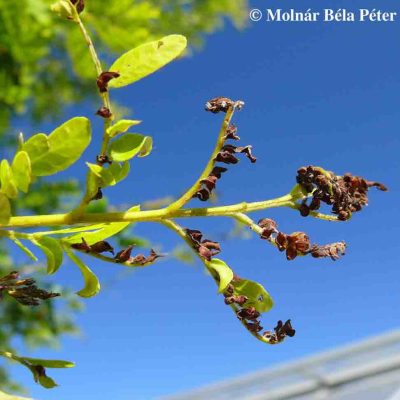
A forestry pest mainly on oak, beech and chesnuts. Recently it caused severe attacks in Hungary in thornless blackberry (Rubus) plantations. The species is present in Europe, Africa and the Middle East. Recommended trap type: VARL+, RAG [Available from 2009].
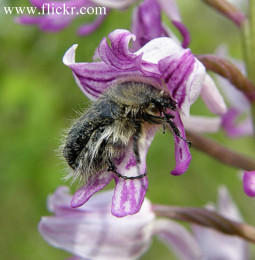
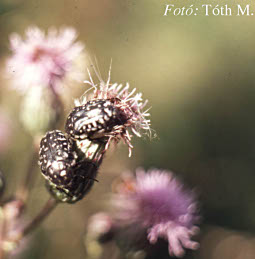
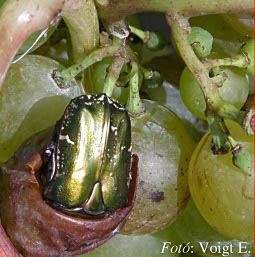
The widely polyphagous adult beetle feeds on the flowers of many orchard trees and cultivated plants. It can damage also ripening fruits. The species is present in the south of Europe, North Africa and in Asia as far as India. The same bait attracts the closely related Epicometis (Tropinota) hirta at similar efficiency. Recommended trap type: the VARb3k trap combines best visual and chemical attractant cues [Available from 2009].
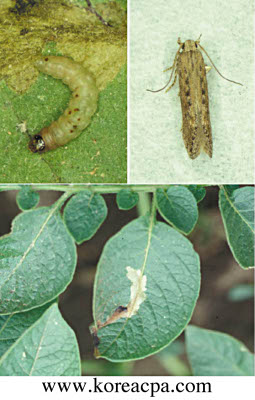
An important pest of potato (in the field and also stored), which is present all over the world. In Europe it is present in the Mediterranean countries, but its eventual spread towards the north cannot be excluded. Recommended trap type: RAG [Available from 2009].
Host plants of the larva include cotton, rice, potato, tobacco, cereals, crucifers, but it can attack seedlings of almost any crop plants. The species is present in the warm and temperate regions of all the world. Recommended trap type: VARL+ [Available from 2009].
The species damages different grape varieties. It is present in Europe and in some parts of North America. Our trap attracts the species by its fluorescent yellow colour, it contains no chemical attractant. Recommended trap type: SZz, PALz [Available from 2009].
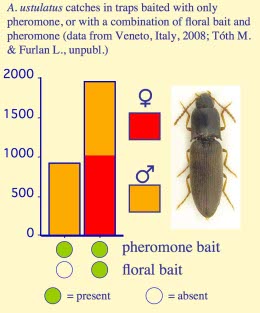
In contrast to our earlier pheromone trap (which is still available) catching males, the present new trap is supplied with both a recently discovered female-targeted floral lure plus a pheromone lure, so catches large numbers of both females and males of this important click beetle pest. Recommended trap type: VARb3 [Available from 2009].
An important pest of the olive tree, which is present in all areas where olive is grown. Recommended trap type: can be trapped with both the RAG or VARL+ designs [Available from 2008].
The adult beetles damage flowers of many orchard trees, ripening fruit can also be attacked. It is present in Europe and North Africa. Recommended trap type: the VARb3z trap combines best visual and chemical attractant cues [Available from 2008].
The insect attacks citrus orchard trees, like lemons, oranges, tangerines etc. It is reported to cause damages in Mediterranean countries, South Africa, India, Indonesia, Malaysia, Japan, Australia and some Pacific islands. Recommended trap type: RAG, VARL+ [Available from 2008].
A forestry pest attacking poplar varieties. The species is present in Europe and Asia as far as the Altay mountains. It has ben introduced also into North America. Recommended trap type: VARL+ [Available from 2007].
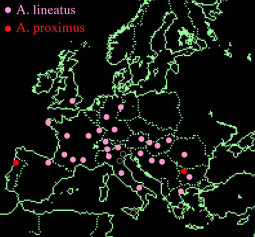
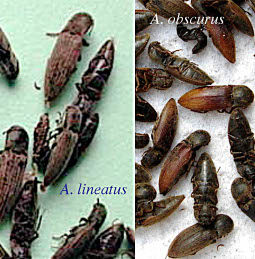
A member of the important pest click beetle complex in Europe. Same bait attracts also the closely related A. lineatus. Recommended trap type: Yf [Available from 2007].
The larva bores galleries inside the branches and trunks of many orchard trees. It causes damage not only in Europe but also in Asia and North Africa. It has been introduced also into North America and South Africa. Recommended trap type: VARb3; the trap should be placed above the canopy of trees for best results [Available from 2006].
This bark beetle can damage many orchard trees by boring holes and galleries inside branches and the trunk. Recommended trap type: PALX. The sticky trap should be baited with min. 20% ethanol (to be added by the user; methylated industrial alcohol is NOT SUITABLE) [Available from 2006].
Our newly discovered attractant can be used with our TAL trap design or with conventional pitfall traps, attracting both female and male weevils. Same bait attracts also the related sugar-beet weevil Bothynoderes (Cleonus) punctiventris [Available from 2006]
A highly dangerous pest of many fruit and vegetable cultures all over the world. Recommended trap type: The VARs+ funnel traps baited with the attractant proved to be giving best catches [Available from 2006]
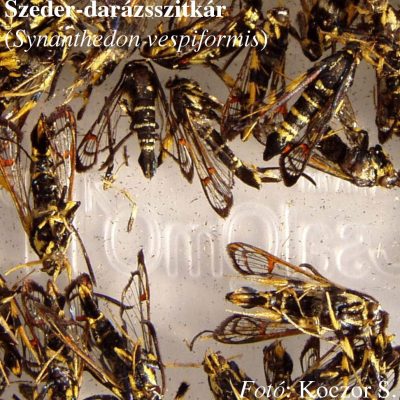
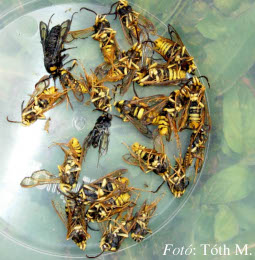
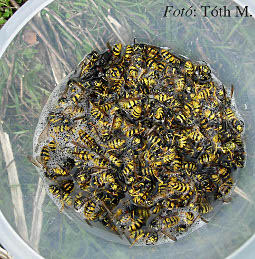
The design of the VARL funnel traps is especially suited for the capture of yellowjackets. Besides the synthetic lure it is recommended to add natural bait liquid (i.e. beer & orange juice 1:1 mixture; to be added by the user) for best results [Available from 2006].
The larva lives inside the roots of alfalfa. It is present in Central and Eastern Europe, towards Asia as far as Siberia. A novel trap and bait combination catches both females and males. The most suitable VARb3z (fluroscent yellow) funnel trap type is capable of catching very large numbers [Available from 2006]
The Yf trap is supplied with a combined single bait and is capable of catching both species at similar sensitivity. To be used in areas where both species are present. (The species specific baits for A. obscurus and A. lineatus are still available) [Available from 2006].
The adult beetles damage flowers of many plants. More recently, severe damages to ripening fruits (especially peaches and nectarines) were reported in Central Europe. Both species occur all over Europe and into Asia. Recommended trap type: the VARb3k trap combines best visual and chemical attractant cues, it catches both species at equal efficiency [Available from 2005].
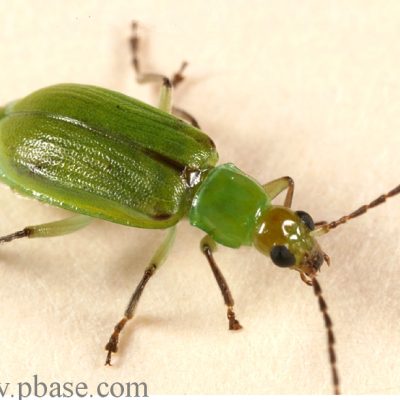
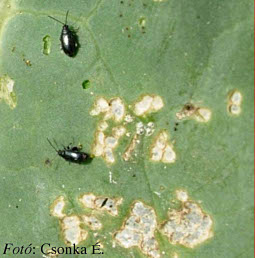
A novel attractant attracts both sexes of most important cabbage pest flea beetles, i.e. P. cruciferae, P. vittula, P. undulata, etc. Populations of P. vittula damaging on maize can also be trapped. The recommended KLP+ trap type is suitable also for mass trapping thereby directly decreasing damage levels [Available from 2006].
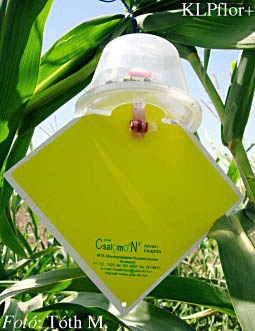
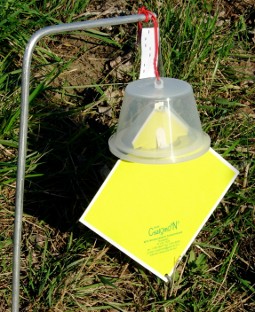
New, efficient, high capacity, non-sticky trap developed for catching the western corn rootworm (Diabrotica v. virgifera). The KLP+ trap is as sensitive as the conventional sticky PAL or PALs traps. It is suitable for both detection and monitoring purposes; its catch capacity is very large (several thousand beetles). The trap is highly selective. Assembling is easy, maintenance is clean (no more sticky fingers!). The useful life of the trap can be prolonged to even a full season by regular exchange of the bait to a new one. However, the trap can be used to catch ONLY the SAME SPECIES as before! For best efficiency it is necessary to kill the insects caught in the catch container [Available from 2005].
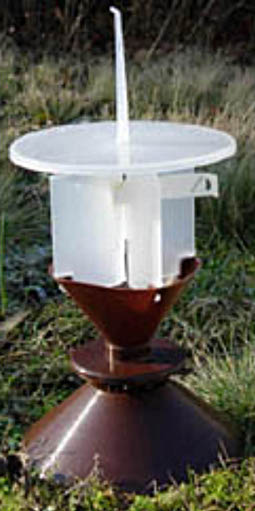
Manufacturer of trap is RO-SA Micromecanica s.a.s., San Dona di Piave, VE, Italy). We offer the trap with species-specific pheromone bait. It is highly efficient in capturing click beetle (Agriotes) species. In the field it can be operated during 4-6 weeks with the accessories included. The useful life of the trap can be prolonged to even a full season by regular exchange of the bait to a new one. However, the trap can be used to catch ONLY the SAME SPECIES as before [Available from 2005].